Internal gutter systems were once a common design choice across New Zealand homes, particularly in properties built between the 1960s and 1980s.
While these systems seemed like an elegant architectural solution at the time, many homeowners have since discovered the significant headaches they can cause. From hidden leaks to extensive structural damage, these older systems often fail silently until the repair bill becomes impossible to ignore.
If you're thinking about internal gutter replacements, understanding why professional installation is essential can save you thousands of dollars and protect your home's structural integrity for decades to come.
Understanding Internal Gutter Systems
Internal gutters, also known as box gutters or concealed gutters, sit behind the fascia line and are built into the roof structure itself. Unlike modern external gutters that are visible and easily accessible, internal systems are tucked away out of sight.
While this created a clean, streamlined appearance that was popular with architects and builders of the era, it also created a perfect storm for maintenance issues and hidden damage.
The fundamental problem with internal gutters is simple: out of sight, out of mind. When you can't see your gutters, you can't monitor their condition, spot early warning signs of deterioration, or even know when they're overflowing during heavy rain.
By the time visible symptoms appear inside your home or along your roofline, the damage has often been occurring for months or even years.
Why Internal Gutter Systems Cause Problems
Internal gutters present a unique set of challenges that homeowners in Hamilton and the wider Waikato region need to understand:
Hidden Leaks and Water Damage
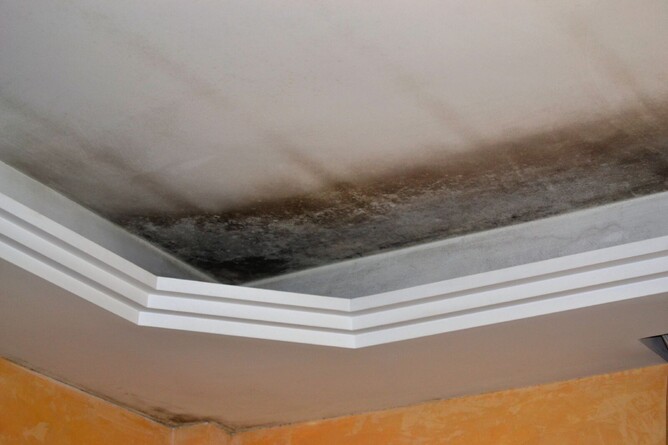
Because internal gutters are enclosed within the roof structure, any leaks or overflow events happen completely out of view. Water can accumulate behind cladding, soak into framing timber, and saturate insulation long before you notice dampness on an interior ceiling or wall.
This hidden moisture creates the perfect environment for timber rot, which compromises structural integrity, and toxic black mould growth, which poses serious health risks to your family.
The damage compounds over time. What starts as a small leak at a joint or seam gradually spreads through the timber framing. By the time homeowners notice water stains or sagging ceilings, the repair often involves replacing significant sections of roof framing, not just the gutter system itself.
Insufficient Capacity for Waikato Weather
Internal gutter systems installed decades ago were often designed with minimal capacity and fall. They simply weren't engineered to handle the intense rainfall events that Hamilton and the Waikato region regularly experience. When heavy downpours hit, these undersized systems quickly overflow.
Unlike external gutters, where overflow simply spills over the edge and onto the ground below, overflowing internal gutters send water directly into your roof cavity and wall spaces.
A single severe weather event can cause extensive damage that takes months to fully reveal itself.
Maintenance Challenges
Regular gutter cleaning is essential for any home, but with internal systems, it's both more critical and more difficult. Leaves, pine needles, and debris accumulate in internal gutters just like external ones, but accessing them for cleaning requires removing sections of fascia or soffit lining.
This makes routine maintenance far more expensive and time-consuming, which means it often gets neglected until a complete blockage causes a catastrophic overflow.
Structural Deterioration
The combination of poor drainage, hidden leaks, and difficult maintenance creates a perfect storm for structural damage. Prolonged moisture exposure weakens fascia boards, rots roof framing members, deteriorates soffit linings, and can even compromise the structural integrity of rafters and top plates.
In extreme cases, homeowners have faced five-figure repair bills to replace entire sections of roof framing that had rotted away unnoticed over many years.
Complex and Costly Repairs
When internal gutters do fail, repairs are never simple. The enclosed nature of these systems means that even minor fixes require dismantling parts of your fascia, soffit, or even roofing to access the problem area.
This complexity drives up labour costs significantly. Moreover, many tradies simply don't want to work on internal gutter systems because they know the job will be difficult, messy, and fraught with hidden complications.
The Smart Solution: Converting to External Systems
This is why an increasing number of Waikato homeowners are choosing to completely replace their internal gutter system with a modern external fascia-and-spouting solution.
External systems offer numerous advantages: they're visible and easy to inspect, simple to maintain and clean, designed to handle New Zealand's variable climate, easier and less expensive to repair when issues arise, and they can actually improve your home's roadside appeal with modern profile options.
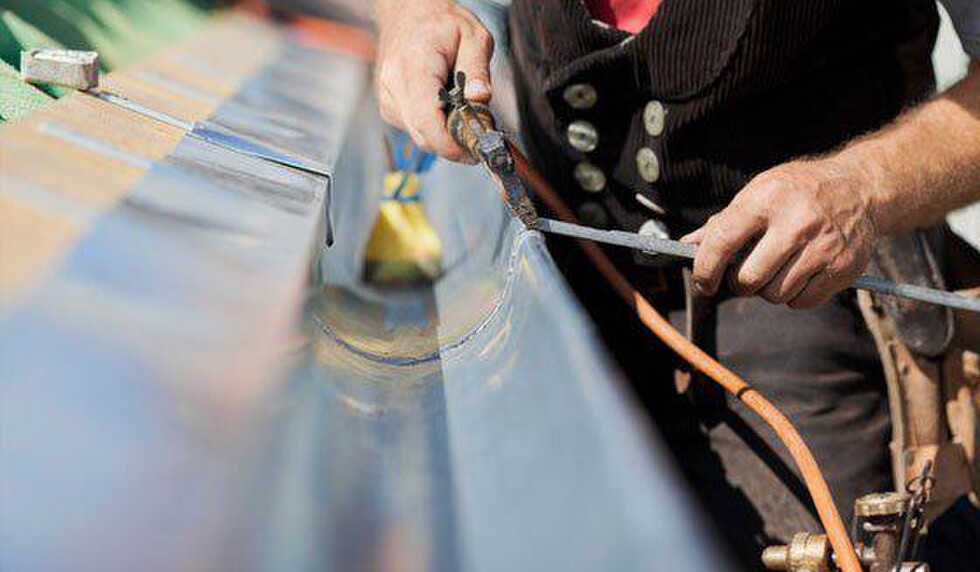
The conversion process involves removing the old internal system, installing new fascia boards and corner pieces, fitting modern continuous spouting with proper fall, and ensuring all connections are weather-tight and compliant with current building standards.
While this might seem like a significant project, it's an investment that pays dividends through reduced maintenance, eliminated hidden damage risks, and improved home protection.
Why Professional Installation Is Non-Negotiable
Replacing an internal gutter system is not a DIY project, and it's not a job for general handymen or inexperienced installers. This is specialist work that requires specific expertise, proper equipment, and a thorough understanding of building science. Here's why professional installation matters:
Precision Design and Fall Calculation
Proper water drainage relies on precise fall calculations, typically a minimum of 1:500 gradient toward downpipes. Professional installers understand how to assess your roofline, calculate the optimal fall for your specific situation, and install the system to prevent ponding (standing water), which leads to premature corrosion and overflow during heavy rain.
Even a few millimetres of error in fall can create low spots where water accumulates. Over time, these become problem areas where rust develops, and leaks eventually occur. Professional installers use laser levels and proven techniques to ensure perfect fall throughout the entire gutter run.
Compatible Systems and Materials
Every home is different, with unique roofline configurations, cladding types, and architectural features. Professional installers assess your specific situation and recommend fascia profiles, spouting sizes, and downpipe placement that integrates seamlessly with your home's existing structure.
They also understand material compatibility. Mixing certain metals can cause galvanic corrosion, and using incorrect fasteners or sealants can lead to premature failure. Professionals know which products work together and which combinations to avoid.
Weather-Tight Installation Standards
Water penetration is the enemy of any building. As professional installers we understand the critical importance of weather-tight installation, including proper flashing techniques, correct fascia-to-wall junctions, sealed end caps and mitres, appropriate expansion allowances for metal components, and integration with roof underlays and building wrap.
A single incorrectly installed flashing can channel water into your wall cavity for years before the damage becomes apparent. Professionals understand building envelope principles and install systems that keep water where it belongs, away from your home's structure.
Compliance with Building Regulations
Building work in New Zealand must comply with the Building Code, and gutter replacements that involve structural work or weathertightness modifications typically require building consent.
As professional installers we understand these requirements, and know when consent is needed, and we can work with council inspectors to ensure compliance.
We also carry appropriate insurance coverage, which protects you if something goes wrong during the installation process.
Safety Considerations During Removal
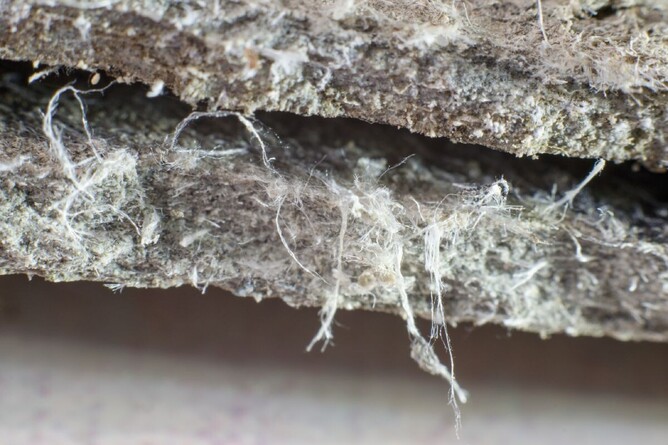
Converting from internal to external gutters often involves working at height around fragile roofing materials, potentially disturbed asbestos (common in homes built before 1990), and removing structural components that currently support parts of your roofline.
Professional installers have the safety equipment, training, and experience to manage these risks properly. They understand how to identify and handle asbestos safely, work from scaffolding or safety harnesses, and support roof structures during transition phases of the conversion.
Long-Term Durability and Warranty
Professionally installed systems come with warranties that protect your investment. More importantly, proper installation means the system will perform reliably for decades, reducing future maintenance costs and protecting your home's value.
Poor installation might save money upfront, but often leads to problems within just a few years, problems that can cost far more to rectify than the original installation would have cost if done properly.
Why Homeowners Choose Fineline Fascia & Spouting
At Fineline Fascia & Spouting, we specialise in internal gutter replacements that restore your home's weather protection and improve long-term performance across Hamilton and the entire Waikato region.
Whether your internal system is failing, overflowing during rain events, or causing hidden water damage, we offer comprehensive solutions tailored to your home.
Our services include custom continuous spouting manufactured to exact specifications, quality Colorsteel and ColorCote products in a wide range of colours, complete internal-to-external conversion services, professional installation by experienced local specialists, thorough site assessment and honest recommendations, and reliable, responsive service backed by solid warranties.
We understand that your home is your largest investment, and we treat every project with the care and professionalism it deserves. Our team takes the time to explain your options, answer your questions, and ensure you're comfortable with the approach before we begin work.
Making the Decision to Replace Your Internal Gutters
If your internal gutters are causing ongoing issues, or if you simply want a more durable, low-maintenance system that provides peace of mind, now is the perfect time to upgrade. The longer you wait, the greater the risk of hidden damage accumulating in your roof cavity and wall spaces.
Contact Fineline Fascia & Spouting today for a thorough assessment of your current gutter system and a detailed quote for professional internal gutter replacement. We service all of Hamilton and the wider Waikato region, including Cambridge, Te Awamutu, Morrinsville, Matamata, Huntly, and surrounding rural areas.
Quotes/Enquires
Janine 021 124 4972
Operations Manager/Director
Justin 021 385 569
FAQ: Internal Gutter Replacements – Hamilton & Waikato
What are internal gutters?
Internal gutters fail because they're enclosed within the roof structure, making it easy for water to overflow or leak without being noticed. Contributing factors include heavy Waikato rainfall exceeding system capacity, age and corrosion of metal components, rust at joints and seams, inadequate fall or ponding issues, and poor original design that doesn't meet modern standards.
Why do internal gutters fail?
Internal gutters fail because they're enclosed within the roof structure, making it easy for water to overflow or leak without being noticed. Contributing factors include heavy Waikato rainfall exceeding system capacity, age and corrosion of metal components, rust at joints and seams, inadequate fall or ponding issues, and poor original design that doesn't meet modern standards.
Do I need to replace my internal gutters, or can they be repaired?
While repairs may address immediate problems, many homeowners choose complete replacement because the underlying design is fundamentally flawed. Replacing the system with an external spouting and fascia setup provides a permanent, reliable solution that eliminates future hidden damage risks.
What are the benefits of switching to an external gutter system?
External gutters offer numerous advantages: easy visual inspection and monitoring, simple maintenance and cleaning access, better capacity to handle high rainfall, reduced risk of hidden water damage, easier and less expensive repairs when needed, modern continuous spouting profiles, updated fascia options for improved appearance, and compliance with current building standards.
Can I replace internal gutters myself?
No — internal gutter replacements are complex specialist projects involving work at height, roofing material removal, fascia system installation, precise fall calculations, weatherproofing details, and compliance with building regulations. Professional installation ensures the job is safe, weather-tight, compliant, and warrantied.
How long does an internal gutter replacement take?
Most residential projects are completed in 2-5 days, depending on the size of your home, the complexity of your roofline, the condition of existing fascia and framing, weather conditions, and whether building consent is required.
What areas do Fine Line service?
Fineline Fascia & Spouting services Hamilton and the entire Waikato region, including Cambridge, Te Awamutu, Morrinsville, Matamata, Huntly, Raglan, Ngaruawahia, and surrounding rural areas.
What materials do you use for replacements?
We use high-quality New Zealand-made Colorsteel and ColorCote products, custom-manufactured continuous spouting for seamless runs, pre-painted aluminium fascia in various profiles, and quality fasteners and sealants designed for New Zealand conditions.
How do I know if my internal gutters need replacing?
Warning signs include water stains on interior ceilings or walls, sagging or deteriorating soffits, musty or damp smells in rooms below the roofline, visible overflow during moderate to heavy rain, water pooling near your home's foundation, peeling paint on fascia or eaves, and visible rust or corrosion on accessible sections. Even without obvious symptoms, any internal gutter system over 30 years old should be professionally assessed.
Will replacing my gutters require building consent?
This depends on the scope of work. Simple like-for-like replacements may be exempt, but conversions from internal to external systems often involve structural modifications and weather-tightness changes that require consent. Professional installers can advise on requirements specific to your project and handle consent applications if needed.