Exterior maintenance is not always straightforward, especially on multi-storey buildings or properties with difficult access points. In many cases, traditional scaffolding is still the right solution, but there are situations where rope access can be faster, safer, and more practical.
For commercial buildings across Hamilton and the wider Waikato region, access methods can significantly affect project costs, disruption, and completion times.
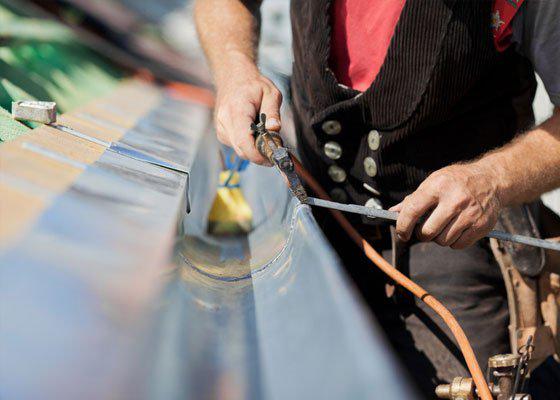
This is particularly relevant for roofline repairs, fascia maintenance, gutter replacements, and leak investigations.
The Problem With Scaffolding on Some Buildings
Scaffolding works well for long-term construction projects or areas requiring continuous platform access. However, it is not always the most efficient option for short-term exterior repairs.
On busy commercial sites, scaffolding can create several challenges, including:
restricted access around entrances
disruption to tenants or customers
traffic management issues
longer setup and removal times
higher labour and equipment costs
Some Hamilton buildings also have awkward rooflines, limited ground access, or narrow boundary clearances that make scaffolding difficult to install.
In these situations, alternative access methods may be worth considering.
Rope Access Can Reduce Disruption
Rope access allows trained technicians to safely reach high or difficult areas without requiring extensive ground-based structures.
This approach is commonly used for:
gutter inspections
fascia repairs
leak detection
roof inspections
exterior cleaning
cladding maintenance
high-level building repairs
For commercial properties, one of the biggest advantages is reduced disruption. Businesses can often continue operating while maintenance work is completed overhead.
In busy areas around Hamilton CBD, Te Rapa, and industrial sites throughout the Waikato, minimising disruption can make a significant difference to project planning.
Rope Access Can Reduce Disruption
Rope access allows trained technicians to safely reach high or difficult areas without requiring extensive ground-based structures.
This approach is commonly used for:
gutter inspections
fascia repairs
leak detection
roof inspections
exterior cleaning
cladding maintenance
high-level building repairs
For commercial properties, one of the biggest advantages is reduced disruption. Businesses can often continue operating while maintenance work is completed overhead.
In busy areas around Hamilton CBD, Te Rapa, and industrial sites throughout the Waikato, minimising disruption can make a significant difference to project planning.
Faster Access Often Means Faster Repairs
Scaffolding installation can sometimes take longer than the repair itself.
For smaller exterior maintenance jobs, rope access can reduce setup time considerably. This allows contractors to inspect and address issues more quickly, particularly after storms or periods of heavy rain.
Fast response times are important when dealing with overflowing gutters, leaking rooflines, or damaged fascia systems. Water intrusion problems can worsen quickly if repairs are delayed.
This is one reason some building owners use specialised rope access services for difficult-to-reach inspection and maintenance work.
The key advantage is flexibility. Technicians can access targeted repair areas without requiring full building coverage.
Safety Still Remains the Priority
There is sometimes a misconception that rope access is less safe than scaffolding. In reality, professional rope access work operates under strict safety procedures and specialised training requirements.
Experienced rope access technicians use certified anchor systems, redundant safety lines, and controlled descent equipment designed specifically for working at height.
For certain repair tasks, rope access may actually reduce risk by limiting the amount of equipment and site congestion at ground level.
Every building and repair job is different, which is why access methods should be assessed based on:
building height
roof design
surrounding access
repair scope
project duration
weather conditions
public safety requirements
In some cases, scaffolding will still be the better option. In others, rope access can provide a more practical solution.
Exterior Maintenance Should Not Be Delayed
Small roofline issues often become larger and more expensive when left unresolved.
Blocked gutters, damaged fascia, loose flashings, and leaking downpipes can all contribute to water damage over time. This is especially important in Waikato conditions, where periods of heavy rainfall can place additional pressure on drainage systems.
Regular inspections help identify problems before they lead to structural damage or interior leaks.
For buildings with difficult access points, having flexible maintenance options can make ongoing upkeep far more manageable.
Choosing the Right Access Method for the Job
There is no single solution for every exterior maintenance project. The best approach depends on the building, the repair requirements, and the level of access available on-site.
For many commercial and multi-level properties, rope access can provide a practical alternative where scaffolding would be costly, disruptive, or difficult to install.
Planning access properly from the start can help reduce delays, improve safety, and make exterior maintenance more efficient over the long term.
If you’re planning exterior repairs or upgrading your roof drainage systems, contact the team at Fine Line Fascia & Spouting to discuss practical solutions for your property.