A comfortable home is not just about heating or insulation. It is the result of multiple building systems working together to manage temperature, moisture, and weather exposure throughout the year.
In regions like the Waikato, where homes experience frequent rain, humidity, and seasonal temperature changes, designing for warmth and dryness is especially important. Small weaknesses in the building envelope can gradually lead to dampness, heat loss, and long-term maintenance issues.
A well-designed home focuses on both internal comfort and external protection.
Warmth Starts With a Controlled Indoor Environment
Heating systems play a central role in home comfort, especially during colder months. Fireplaces, wood burners, and modern heating solutions help maintain consistent indoor temperatures and create a more liveable environment.
Homeowners researching fireplace installation options often focus on heating performance and design, but long-term comfort also depends on how well the home manages airflow and moisture.
A warm home is most effective when it is also dry and well ventilated. Without this balance, heating systems can struggle to maintain consistent conditions.
Moisture Control Is Just as Important as Heating
One of the most overlooked aspects of home design is moisture management.
Water can enter or affect a home in several ways:
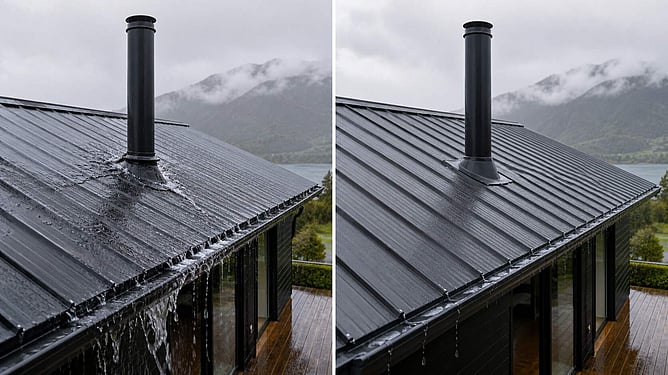
roof leaks or poorly sealed penetrations
overflowing gutters and spouting
condensation inside roof cavities
ground moisture near foundations
Once moisture becomes trapped inside the structure, it can affect insulation performance and lead to mould growth or timber deterioration.
In Waikato conditions, heavy rainfall and humidity increase the importance of effective drainage and ventilation systems.
Roof Systems Protect the Entire Home
Installing a fireplace or wood burner involves more than just placing a heating unit inside the home. It also requires careful integration with the roof structure.
The roof is one of the most important protective layers of any home. It not only shields the interior from rain but also directs water away from the structure.
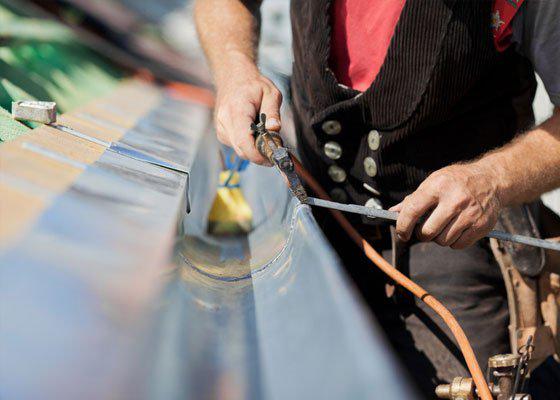
Fascia, spouting, and downpipes all work together to control how water moves across and away from the building. If these systems are not functioning correctly, water can overflow into areas that were not designed to handle it, increasing the risk of damage over time.
Good roof design ensures that water is managed efficiently before it can affect walls, foundations, or interior spaces.
Exterior Drainage Protects Indoor Comfort
A dry home begins outside.
When rainwater is not managed properly, it can affect more than just the exterior of the property. Overflowing gutters or poor drainage can contribute to damp conditions around walls and foundations.
Over time, this can reduce insulation effectiveness and impact indoor comfort levels.
Properly designed drainage systems help ensure that water is directed away from the home efficiently, reducing long-term risks and supporting a stable indoor environment.
The Importance of Building Systems Working Together
A warm, dry, and weather-resistant home is not created by a single upgrade. It is the result of coordinated building systems working together.
Key elements include:
heating and ventilation
roof drainage systems
moisture control strategies
insulation and airflow management
properly sealed building penetrations
When these systems are planned in isolation, gaps can form between them. This often leads to inefficiencies or maintenance issues later on.
A coordinated approach helps ensure the home performs well across all seasons.
Waikato Conditions Increase the Need for Smart Design
Homes in the Waikato face unique environmental conditions:
regular rainfall
high humidity
seasonal temperature variation
strong storm events
These conditions place ongoing pressure on both interior comfort systems and exterior building protection.
Homes that are designed with these factors in mind tend to experience fewer moisture-related issues and more stable indoor temperatures throughout the year.
Final Thoughts
Designing a warm, dry, and weather-resistant home requires attention to both internal comfort systems and external protection systems.
Heating, ventilation, roofing, and drainage all play a role in how well a home performs over time. When these elements are considered together, the result is a healthier, more comfortable, and more durable living environment.
If you are planning exterior upgrades or reviewing your home’s drainage systems, the team at Fine Line can provide practical advice and tailored solutions to support long-term building performance.