Well-planned construction projects do more than deliver a finished building. They determine how well that building performs over time.
In residential and commercial projects across New Zealand, long-term maintenance costs are often shaped by decisions made before construction even begins.
Material choices, sequencing of trades, and how external systems are integrated all influence how much upkeep a property will require in the years ahead.
A well-designed build reduces reactive repairs and helps protect the structure from avoidable wear.
Planning Defines Long-Term Performance
Good construction planning focuses on how a building will function after completion, not just how it looks on handover day.
This includes considering:
how water moves around the building
how roofing systems interact with walls and foundations
how external materials respond to weather exposure
how different trades integrate during the build
When these factors are considered early, it reduces the likelihood of design gaps that lead to future maintenance issues.
The Building Envelope Is the First Line of Defence
The building envelope is what separates the interior of a structure from external conditions. It includes the roof, exterior walls, windows, and drainage systems.
If any part of this envelope is poorly designed or installed, it can lead to long-term issues such as:
water ingress
moisture build-up
reduced insulation performance
material deterioration
In regions like the Waikato, where rainfall and humidity are common, the building envelope plays an even more critical role in protecting structural integrity.
Roof and Drainage Planning Prevents Future Damage
One of the most important aspects of construction planning is how roof water is managed.
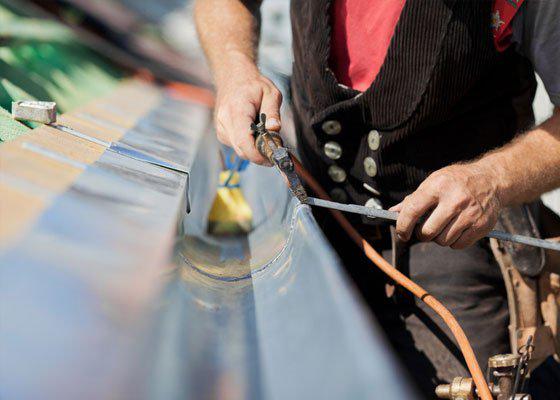
Fascia, spouting, and downpipes must be designed to efficiently direct water away from the building. If these systems are undersized or poorly positioned, water can overflow and affect cladding, foundations, and surrounding landscaping.
These issues often do not appear immediately but develop gradually over time, leading to avoidable repair costs.
Exterior drainage systems are therefore a key part of long-term maintenance planning rather than an afterthought.
Coordinating Trades Reduces Rework
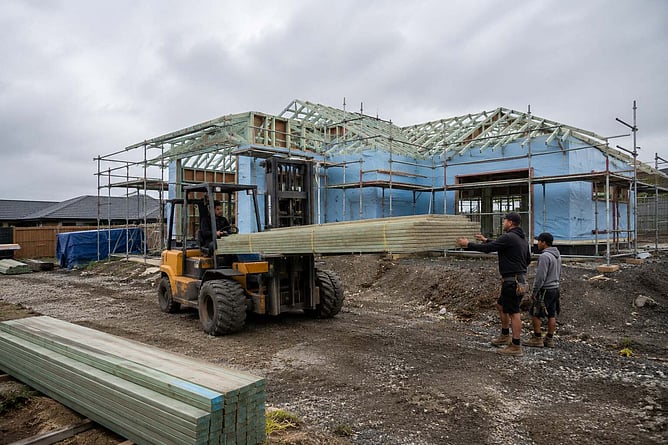
Construction projects involve multiple trades working in sequence. Builders, roofers, electricians, and exterior specialists must all complete their work in the correct order.
When sequencing is poorly managed, it can lead to:
damaged finished surfaces
reinstallation of completed systems
access restrictions for later trades
compromised waterproofing details
For example, installing drainage or exterior finishing elements too late in the process can require unnecessary modifications to completed work.
Well-managed construction projects reduce these risks by planning integration points early.
Exterior Systems Play a Larger Role Than Expected
Exterior components such as fascia, cladding, and drainage are often seen as finishing details. In reality, they are critical to long-term building performance.
These systems protect against:
rainwater exposure
wind-driven moisture
thermal movement
structural decay
When properly designed and installed, they significantly reduce ongoing maintenance requirements.
This is why many modern construction projects treat exterior systems as part of the core building design rather than decorative additions.
Weather Conditions Increase the Importance of Planning
New Zealand’s climate places ongoing pressure on buildings. In areas like Waikato, frequent rainfall and seasonal moisture fluctuations can accelerate wear on poorly protected structures.
Without proper planning, buildings may experience:
gutter overflow during heavy rain
water pooling around foundations
accelerated exterior material breakdown
increased cleaning and repair needs
Construction planning that accounts for these conditions results in more durable outcomes.
Long-Term Savings Come From Early Decisions
One of the most overlooked aspects of construction is that maintenance costs are largely determined at the design stage.
Investing time in planning materials, drainage, and design can significantly reduce repair costs over the life of the building. It also improves safety, functionality, and overall property value.
For construction projects that require reliable exterior protection systems, the team at Fine Line can provide practical solutions designed to support long-term building performance.