Property managers play a key role in protecting the long-term condition of residential and commercial buildings. Their responsibility is not only to respond to issues when they arise, but to identify early warning signs before small problems turn into expensive repairs.
Across New Zealand, where properties are exposed to changing weather conditions and ongoing tenant use, early detection is one of the most effective ways to reduce maintenance costs and preserve asset value.
A proactive approach helps ensure buildings remain safe, functional, and well maintained over time.
Regular Inspections Are the First Line of Defence
One of the most important tools property managers use is routine property inspections.
These inspections help identify:
visible wear and tear
moisture-related damage
exterior deterioration
drainage issues
safety hazards
By comparing conditions over time, property managers can spot gradual changes that may not be obvious to tenants or owners.
Small issues often develop slowly, so consistency in inspections is critical.
Exterior Signs Often Reveal Hidden Problems
Many building issues first appear on the exterior before becoming visible inside the property.
Common early warning signs include:
water staining on walls or soffits
overflowing or blocked gutters
peeling paint or discoloured surfaces
pooling water around foundations
moss or mould growth in damp areas
These signs often indicate underlying drainage or moisture control issues that need attention.
In regions with regular rainfall, such as the Waikato, these problems can develop more quickly if not addressed early.
Drainage Systems Are a Key Focus Area
One of the most commonly monitored systems is roof drainage.
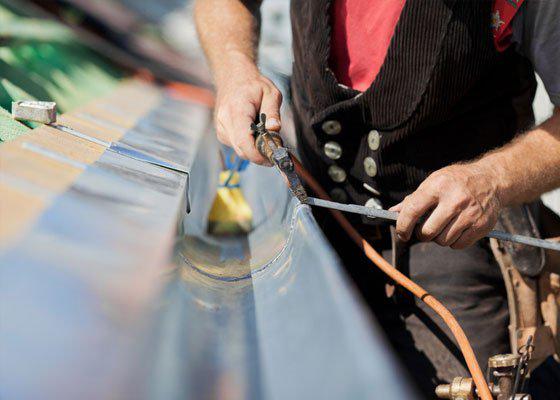
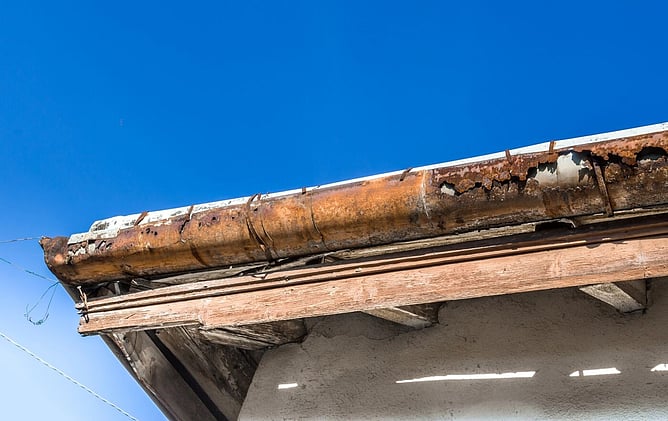
Fascia, spouting, and downpipes play a critical role in directing water away from the building. If these systems become blocked or damaged, water can overflow into areas not designed to handle it.
Over time, this can lead to:
exterior wall damage
foundation moisture issues
increased maintenance costs
interior dampness
Because of this, drainage systems are often a priority during inspections.
Property managers may arrange remedial work when early signs of overflow or deterioration are identified.
Moisture and Ventilation Issues Can Escalate Quickly
Moisture problems are another key concern for property managers.
Poor ventilation, roof leaks, or inadequate drainage can lead to condensation and damp conditions inside the property. If left unresolved, this can result in mould growth and structural damage.
Early indicators include:
condensation on windows
musty odours
damp patches on ceilings or walls
visible mould in corners or cupboards
Identifying these signs early allows for quicker intervention and reduces long-term repair costs.
Exterior Maintenance Protects Property Value
Maintaining the exterior of a property is essential for preserving its long-term value.
Issues such as damaged gutters or failing spouting may seem minor at first, but they can contribute to significant deterioration over time if ignored.
In many cases, property managers will recommend repairs or upgrades to prevent further damage to the building envelope.
Properly maintained exterior systems help protect both the structure and the investment value of the property.
Tenant Communication Helps Identify Early Issues
Tenants are often the first to notice changes within a property.
Property managers encourage clear communication so that issues such as:
leaks
blocked gutters
damp smells
water pooling
heating or ventilation concerns
can be reported early.
When tenants and property managers work together, maintenance issues are more likely to be addressed before they escalate.
Preventative Maintenance Reduces Long-Term Costs
A proactive maintenance approach is generally more cost-effective than reactive repairs.
Through regular inspections, attention to exterior systems, and prompt response to early warning signs, property managers help protect both tenants and property owners from avoidable repair costs.
For properties requiring drainage or exterior system maintenance, the team at Fine Line can provide practical solutions designed to support long-term building performance.