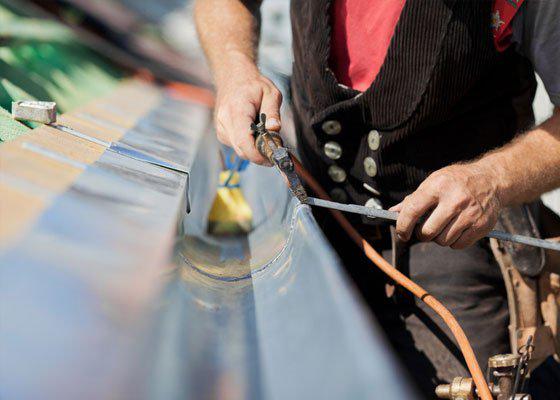

When your Hamilton spouting and guttering are in good condition, they quietly do one of the most important jobs around your home. They move rainwater away from the roofline, help protect your cladding and fascia, and reduce the risk of overflow, staining and moisture damage around the property.
In a place like Hamilton and the nearby regions, where roofs and drainage systems need to cope with regular rain and seasonal debris, keeping your spouting maintained is not something to put off.
Good maintenance is not only about appearance, although clean, well-kept spouting definitely helps your home look sharper. It also helps protect the life of the system and can play an important part in keeping your manufacturer warranty valid.
Current ColorCote® maintenance guidance states that regular maintenance is required for warranty compliance, and that failure to follow the maintenance schedule may result in the warranty being voided at Pacific Coilcoaters’ discretion.
Why Regular Spouting Maintenance Matters
Your spouting, gutters and downpipes are exposed to more than just rain. Over time, they collect leaves, pollen, lichen, dirt and airborne contaminants.
Fasteners and washers can also begin to show signs of corrosion, especially if small issues are left too long. Once water flow is restricted or water starts escaping where it should not, the damage can spread to fascia, soffits, cladding, foundations and landscaped areas.
That is why regular checks are worth doing. ColorCote’s current minimum maintenance schedule calls for 3-monthly inspections of guttering and fascia, plus additional cleaning or attention whenever contaminants or corrosion are noticed outside the usual schedule.
Areas not naturally washed by rainfall also need manual washing every 6 months.
What To Check Every 3 Months
A quick inspection every three months can help you catch problems early, before they become expensive repairs.
Start by checking for any visible signs of wear, damage or poor drainage. Look for sagging sections, leaks at joins, overflow marks, blocked outlets and any debris building up in the gutter. Leaves, pollen and general grime can stop water from flowing freely, which puts extra pressure on the system during heavy rain.
It is also worth taking a close look at fasteners and washers. If you can see early corrosion, that should not be ignored. Current ColorCote guidance specifically lists fasteners and washers showing signs of corrosion as something that needs attention, and recommends contacting a roofer to remove and replace them where needed.
Lichen, mould and pollen should also be monitored. These can build up gradually and affect both the appearance and condition of pre-painted metal surfaces. The earlier they are dealt with, the easier it usually is to clean the area without causing long-term staining or coating damage.
What To Check Every 6 Months
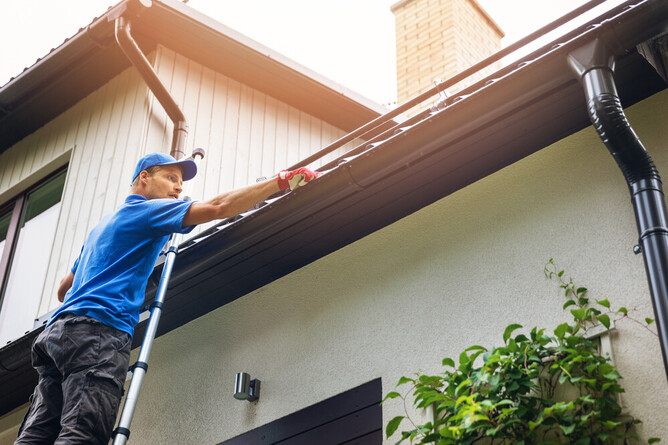
Every six months, it is a good idea to go a step further. Trim back nearby trees or overhanging growth where possible, especially if leaves and twigs regularly fall into the guttering. In places such as Hamilton and Cambridge, where suburbs have established planting and large trees, this can make a big difference to how often blockages occur.
You should also make sure your spouting and downpipes are still securely supported. Loose brackets, joint movement, or downpipes that have shifted can all lead to leaks or poor drainage. Small faults are much easier to deal with than major overflow or water damage later on.
For areas that are not naturally washed by rain, manual washing is required as part of current maintenance. ColorCote specifically notes that unwashed areas, such as fascia, the undersides of roof areas, cladding under eaves, and areas beneath solar panels, require washing every six months.
Low-pressure washing of less than 1000 psi and/or a soft nylon bristle brush is recommended where the area can be safely accessed from ground level.

How to Deal with Lichen, Mould and Grime
If you notice lichen or mould starting to build up on your spouting or fascia, it is best to treat it early. According to the current ColorCote maintenance guide, ColorCote Roof Wash can be used in line with the label instructions, applied from ground level, and not rinsed off.
It is designed as a long-acting treatment, so results may take several weeks to show. If lichen or mould remains after 2 to 3 months, the process can be repeated.
The same guide also notes that any rainwater connection from gutters to water collection tanks should be disconnected first, and that if ColorCote Roof Wash is not available, a 2 percent diluted bleach solution may be used briefly and then rinsed off thoroughly with plenty of fresh water. Inadequate rinsing can permanently damage the paint finish.
For general dirt and loose surface build-up on unwashed areas, low pressure and a soft brush are the safest approach. High pressure cleaning and unsafe roof access are not recommended.
The maintenance document explicitly says homeowners should not attempt to climb onto the roof to carry out maintenance, and recommends using a roofer or roof cleaning company where needed.
Watch the Areas Rainfall Does Not Reach
One of the most overlooked maintenance issues is the area that rain does not naturally wash. Many homeowners assume that if a roof or gutter gets wet often enough, it is effectively self-cleaning. That is not always the case.
ColorCote’s current guidance highlights that some parts of a home are more sheltered and therefore more likely to hold dirt, pollutants and organic growth. Fascia, undersides of roofing, cladding under eaves and similar protected areas need manual washing every six months because natural rainfall is not doing that job for you.
That is especially relevant on homes with deeper eaves, covered outdoor areas or nearby shelter from trees. These details can look great architecturally, but they often create exactly the kind of sheltered surfaces that need extra attention.
Do Not Ignore Small Signs of Corrosion
Minor white oxidation on bends or visible marks around fittings might not look urgent, but they are worth dealing with early. The current ColorCote document says white deposits can sometimes appear on guttering and fascia, particularly on bends.
While this is described as a natural reaction of the metal and not usually a serious concern, it is visually apparent and can be cleaned off much more easily if attended to nice and early using water and a soft bristle brush.
The bigger concern is corrosion around fasteners, fixtures or incompatible fittings. Where penetrations, attachments or hardware are involved, the maintenance guidance warns that incorrect fastener types can accelerate corrosion and void the warranty.
Safety Comes First
Spouting maintenance should never come at the cost of your safety. The current maintenance guide is very clear that any cleaning should only be done where the area can be accessed safely from ground level, and it recommends using a professional for work at height.
If your home is two storeys, has difficult access, or your guttering is showing signs of movement, overflow or corrosion, it makes sense to get it checked professionally. A quick assessment can often confirm whether you simply need cleaning, a local repair, or a more substantial replacement.
When it is Time to Repair or Replace Your Spouting
Maintenance helps a lot, but it cannot solve every problem. If your spouting is old, leaking in multiple places, pulling away from the fascia, or struggling during heavy rain, repair may only be a temporary fix. In those cases, replacement can be the better long-term option.
At Fine Line Fascia & Spouting, we are your local professionals for spouting installation, repairs, replacement, continuous spouting, re-spouting and full conversions for older or leaking systems across Hamilton and the wider Waikato. We also would like to highlight ColorCote® as a popular option for durability and warranty support.
Protect Your Investment with the Right Maintenance
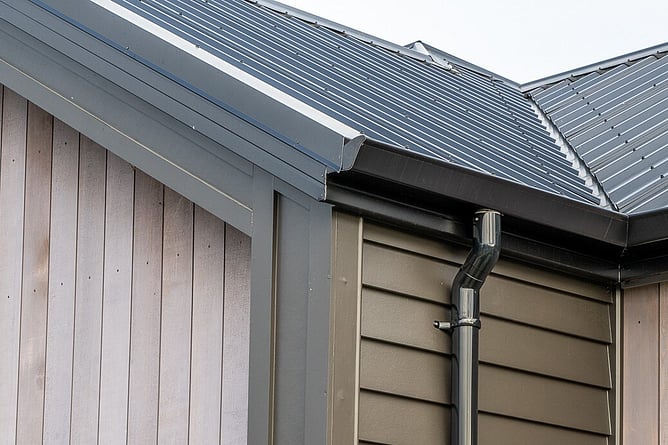
Clean, free-flowing spouting does more than improve street appeal. It helps protect your roofline, supports proper drainage, and reduces the chance of avoidable damage to the rest of your home.
Just as importantly, keeping up with the recommended maintenance schedule supports the long-term performance of ColorCote® products and helps you stay aligned with warranty requirements.
If your guttering is due for a clean, showing signs of wear, or no longer performing the way it should, getting onto it early is always the smarter option.
Need help with repairs, replacement or continuous spouting in Hamilton or the Waikato? We can assess your current system, give you honest advice, and recommend the best solution for your home.
About Fine Line
Fine Line are your local specialists for all spouting, guttering and continuous spouting work in Hamilton and Waikato. We also do respouts, repairs and complete conversions.
Call us for a free quote - 021 124 4972