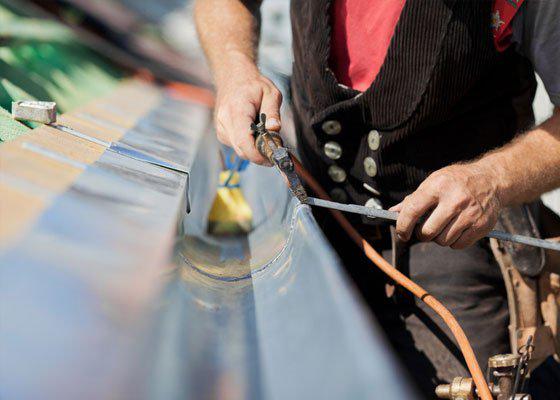
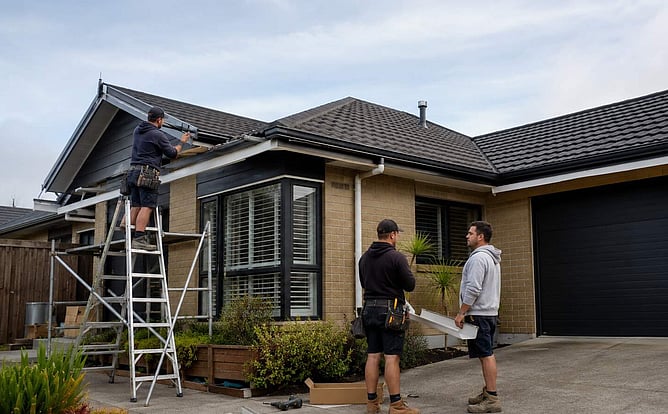
A roofline upgrade can look simple from the ground. In practice, it often involves several moving parts, careful timing, and clear access planning.
Fine Line works across Hamilton and the wider Waikato on fascia, spouting, respouts, and internal gutter conversions, so this is something we see often on residential and light commercial jobs.
Most delays do not start with the spouting itself. They usually start with access, weather, or overlap between trades. When everyone understands the sequence early, the job runs more smoothly, and the property is easier to protect.
Why roofline upgrades often involve more than one trade
A roofline upgrade can touch more than one part of the home. Old spouting may come off, revealing damaged fascia, blocked outlets, tired brackets, or drainage changes that also need attention.
On some properties, internal gutters are replaced with external systems, which adds another layer of planning.
That means the work may involve a builder, roofer, painter, drainlayer, or scaffold team at different stages. Not every job needs all of them. The point is that roofline work often falls within a broader maintenance or renovation project.
Start with access before the work starts
Homeowners often think first about colours or profiles. Those details matter, but access usually decides how efficient the work will be. Driveway width, garden beds, fences, roof height, and nearby structures can all affect the setup.
This matters even more on tight Hamilton sites. A crew may need room for measuring, safe ladder placement, material delivery, and waste removal. If several trades arrive at once, congestion can slow everyone down.
Good access planning also helps protect the property. Vehicles, trailers, ladders, and long lengths of material all need a clear path. That reduces the risk of damage to cladding, paving, lawns, and finished landscaping.
Weather changes the schedule faster than many people expect
Waikato weather can change quickly. Fine Line’s own service information notes the importance of reliable downpipes in Hamilton, as heavy, frequent rainfall can cause problems quickly if water is not managed well. Fine Line also says its continuous spouting systems are designed for Hamilton’s climate.
That is why roofline work needs a realistic weather window. Removing old sections, exposing timber, and testing falls and outlets all become harder when the forecast turns. A sensible schedule leaves room for rain, wet surfaces, and site clean-up
The order of work matters
A smooth project usually follows a clear sequence. First comes inspection and measuring. Then the scope is confirmed, materials are ordered, and any access gear is booked.
After that, the site is prepared. Old sections are removed in stages, repairs are completed where needed, and the new fascia, spouting, or downpipes are fitted. Final checks should include water flow, outlet positions, and a tidy site handover.
Problems tend to appear when this order gets rushed. A late change to colours, profiles, or site access can affect delivery timing. Hidden timber damage can also shift the schedule once old materials come off.
Where equipment and lifting support can fit in
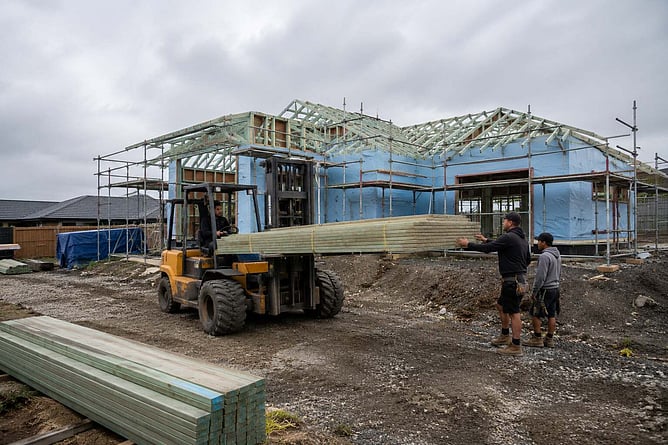
Some roofline jobs are simple and straightforward. Others sit inside larger renovations, townhouse builds, or light commercial projects where site logistics are tighter. In those cases, builders may coordinate scaffold, delivery trucks, rubbish skips, or temporary lifting support.
For example, if palletised materials or other heavy site items need to be moved safely, some projects may also use forklift hire in Hamilton as part of the wider access plan, alongside other equipment and delivery arrangements. Centra’s Hamilton branch states that it provides short and long-term forklift hire, sales, and service across the Waikato.
That does not apply to every home. It is simply one example of how larger jobs sometimes need more than one trade and more than one type of site support.
Common causes of delay homeowners can avoid
One common issue is blocked access on the day work begins. Cars left in the wrong place, locked side gates, or stacked materials near the house can all slow the team down. Small delays early in the day often carry over throughout the job.
Another issue is leaving related repairs too late. If fascia timber, stormwater connections, or paint prep also need attention, it is better to flag that early. Clear communication helps everyone price, schedule, and sequence the work properly.
It also helps to make decisions early. Confirm colours, profiles, and any additional work before booking materials. That keeps the job moving once installation starts.
What homeowners should ask before the job starts
Ask who is doing what, and in what order. Ask where materials will be placed, how access will work, and what happens if wet weather interrupts the schedule. These simple questions can prevent confusion later.
It is also worth asking what you need to do before the crew arrives. That might include moving vehicles, trimming back plants, or making sure outdoor areas are clear. The less guesswork on the day, the better the result.
A roofline upgrade usually runs best when the job is treated as a coordinated project, not a single trade turning up in isolation. Fine Line is a Hamilton-based business serving homeowners and builders across the Waikato, with work spanning residential and light commercial fascia and spouting projects.
That local experience is a big part of keeping roofline work practical, well-timed, and easier to manage.