
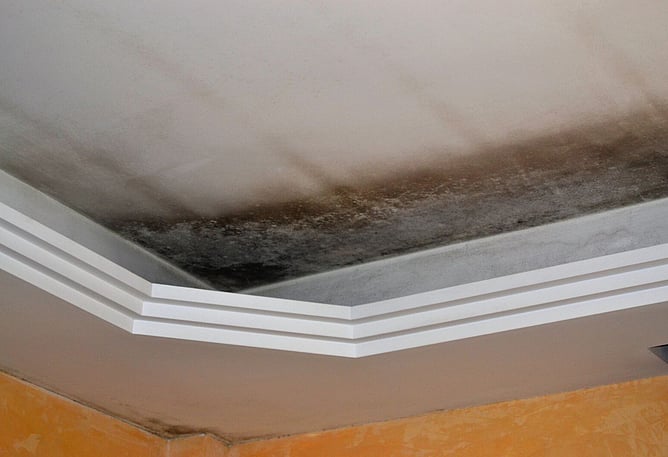
A roof leak is easy to misread. Water marks on a ceiling or dampness near a wall often make people think the roof covering has failed. Sometimes that is true. But not every leak starts on the main roof surface.
Fine Line works across Hamilton and Waikato on spouting, fascia, gutter replacement, re-spouts, and internal gutter conversions, so they often deal with problems that begin at the roof edge instead.
That is why it helps to slow down before assuming you need roof work straight away. In many homes, the first clues point to overflowing gutters, failed joins, poor drainage paths, or water tracking behind fascia.
Those issues can create signs that appear like a roof leak, even when the main problem lies lower down.
Start by checking the roof edge
One of the first places to look is the spouting itself. If water cannot move cleanly away from the roof, it may overflow or back up during heavy rain. Once that happens, moisture can run into places it was never meant to reach.
That can lead to stains, damp framing, and internal leak symptoms that seem to come from higher up.
You should also look at the fascia line. Water marks under joins, sagging sections, rust, or stained cladding below the gutter can all be warning signs. These details often show that the drainage path is not working as intended.
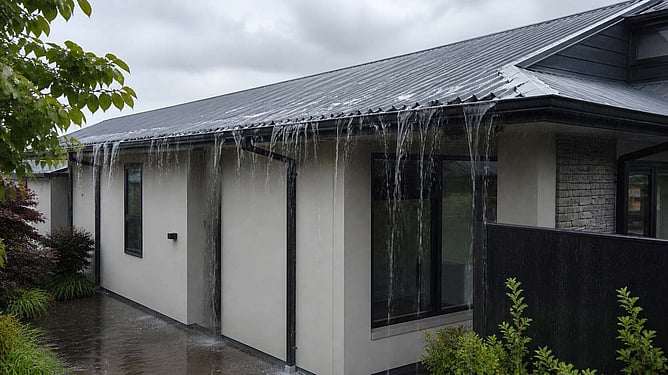
Overflow can mimic a roof leak
Overflow is one of the most common reasons people misread the source of a leak. When water spills over the front or back of the gutter, it can run down wall cavities, window frames, or soffit edges.
Later, the damp patch appears inside, and the roof gets blamed first.
This matters even more in Hamilton and across the wider Waikato, where repeated rain and older gutter setups can expose weak points more quickly.
Fine Line specifically highlights repairs, full spouting upgrades, and conversions from internal gutters to external systems for homes dealing with ongoing water-management problems.
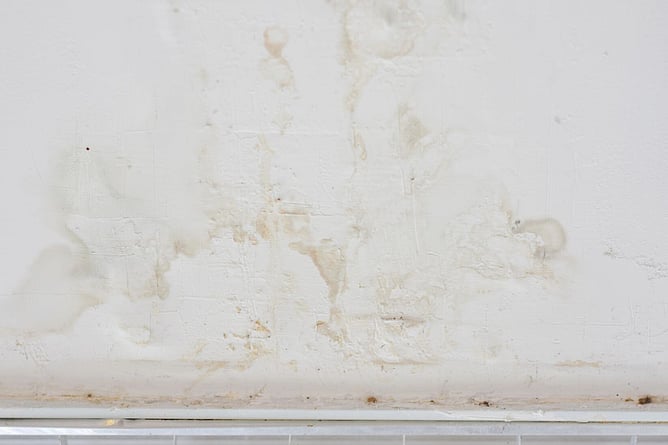
Check whether the issue keeps returning in the same place
A one-off damp patch can be hard to read. A repeated problem in the same area is more useful. If the same corner overflows every time it rains, or one section of fascia keeps showing fresh staining, that suggests the water path needs closer attention.
The same is true if a leak seems to appear after debris builds up. Leaves, grit, and moss can slow flow and increase the chance of water backing up around joins or low points.
In that case, the visible leak is only the symptom. The real issue is the way water is being held at the roof edge.
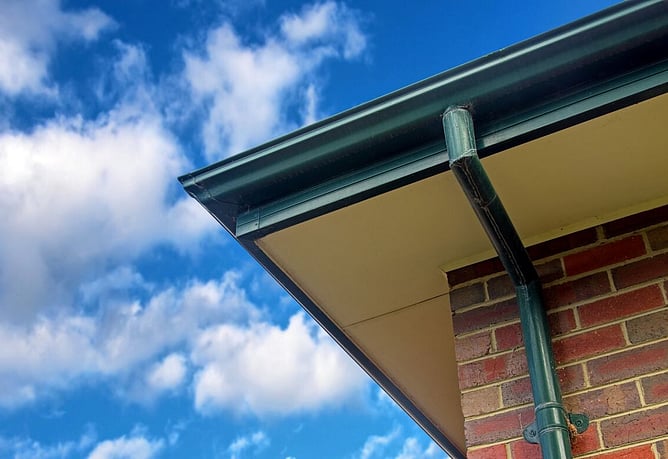
Look at the downpipes too
Spouting is only part of the system. Downpipes also need to move water away properly. If they are blocked, undersized, or not coping with the volume coming off the roof, water can back up into the guttering and overflow elsewhere. That can make the source harder to identify.
This is one reason roof-edge issues are often misunderstood. A homeowner may see water entering near the ceiling and assume the roof needs repair, when the actual problem sits in the gutter-to-downpipe path.
When roof leak repair becomes the right next step
None of this means roof leaks are never real. They are. MB Plumbing, for example, has a dedicated roof leak repair service in Whanganui and describes the job as fast detection, diagnosis, and permanent repair rather than guesswork.
Their site also notes that some leaks start in the spouting system rather than the main roof itself.
That is the key point for homeowners. Before assuming the roof covering has failed, check whether the water is being mishandled lower down. If spouting, fascia, and drainage paths all look sound, then roof leak repair may be the more likely next step.
Final thoughts
The best way to approach a suspected leak is to think in stages. Start at the roof edge. Check for overflow, failed joins, repeated staining, and downpipe issues. Then consider whether the signs really point to the roof itself.
For Hamilton homeowners, that approach can save time and help avoid fixing the wrong thing first. Fine Line’s work across Hamilton and Waikato is built around that practical idea: good fascia and spouting are not separate from roof performance, they are part of how the home keeps water out in the first place.
Talk to our team at fine Line now for all your spouting and guttering needs.