Many homeowners think about ventilation and drainage as completely separate parts of a property. In reality, both systems play an important role in protecting homes from moisture-related problems and maintaining indoor comfort throughout the year.
Across Hamilton and the wider Waikato region, changing weather conditions can place extra pressure on homes. High humidity, heavy rainfall, and warm summer temperatures all affect how moisture and airflow move through a property.
When ventilation and drainage systems work properly together, homes are usually easier to maintain, healthier to live in, and less likely to develop long-term moisture issues.
Moisture Problems Often Start Outside
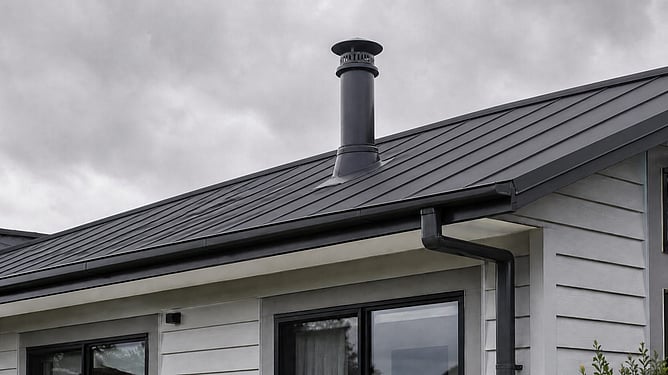
Roof drainage is one of the first lines of defence against water damage.
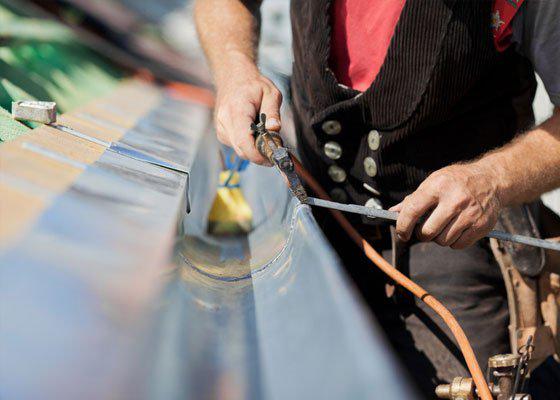
When gutters, fascia, and downpipes are blocked or poorly maintained, water can overflow into roofing structures, wall cavities, and surrounding areas. Over time, this can contribute to mould growth, timber damage, and dampness inside the home.
Waikato properties are particularly exposed to periods of heavy rain during winter months. Homes in established suburbs with mature trees may also experience more blocked gutters due to falling leaves and debris.
Even small drainage issues can eventually affect indoor moisture levels if water is repeatedly entering roof spaces or exterior walls.
Ventilation Helps Remove Trapped Moisture
Indoor moisture is created every day through normal household activities.
Cooking, showering, drying clothes, and even breathing all add moisture into the air. Without proper airflow, condensation can build up on windows, ceilings, and walls.
This becomes more noticeable during colder months when homes are closed up to retain heat.
Good ventilation helps remove excess moisture before it causes problems. Modern homes often rely on a combination of natural airflow, extraction systems, and climate control systems to maintain healthier indoor conditions.
Some homeowners also explore residential air conditioning and heat pump systems as part of broader efforts to improve airflow and temperature control throughout the home.
The goal is not simply cooling. Proper indoor climate management can also help reduce humidity and condensation levels.
Roof Spaces Need Airflow Too
Ventilation is not only important inside living areas.
Roof cavities also require consistent airflow to help release trapped heat and moisture. Poorly ventilated roof spaces can become extremely humid, particularly during warmer months or after periods of sustained rainfall.
This may contribute to:
condensation build-up
mould growth
insulation moisture retention
timber deterioration
reduced energy efficiency
Homes with inadequate roof drainage sometimes experience these problems more severely because excess moisture remains trapped around roofing materials.
Maintaining clear guttering and effective roof ventilation helps support the overall health of the building envelope.
Exterior Maintenance Supports Indoor Comfort
Many homeowners focus on heating and cooling upgrades without considering how exterior maintenance affects indoor comfort.
Blocked spouting, leaking gutters, and damaged fascia can all allow unwanted moisture into a property. At the same time, poor ventilation may prevent that moisture from escaping properly.
This combination can make homes feel damp, humid, or harder to heat during winter.
Regular exterior maintenance helps reduce these risks by ensuring rainwater is directed safely away from the home.
For Waikato homeowners, this is especially important during seasonal weather shifts where properties may experience both humid summer conditions and prolonged winter rain.
Prevention Is Usually More Affordable Than Repairs
Moisture-related building issues often develop slowly over time.
What starts as minor condensation or occasional overflow can eventually lead to expensive repairs if ignored for too long. Preventative maintenance is usually far more cost-effective than dealing with structural damage later.
Homeowners should regularly check:
gutters and downpipes
fascia condition
roof drainage flow
signs of interior condensation
roof cavity ventilation
mould or damp smells indoors
Addressing smaller problems early can help avoid larger maintenance issues in the future.
A More Balanced Approach to Home Performance
Modern home maintenance is no longer just about fixing isolated problems as they appear. Many Waikato homeowners are taking a broader approach that considers how different systems throughout the property work together.
Ventilation, drainage, roofing, insulation, and airflow all contribute to the overall performance of a home.
When these systems are maintained properly, homes are generally more comfortable, more energy efficient, and better protected from long-term moisture damage.
If you’re planning exterior upgrades or improving your home’s roof drainage systems, contact the team at Fine Line Fascia & Spouting to discuss practical solutions for Waikato conditions.